
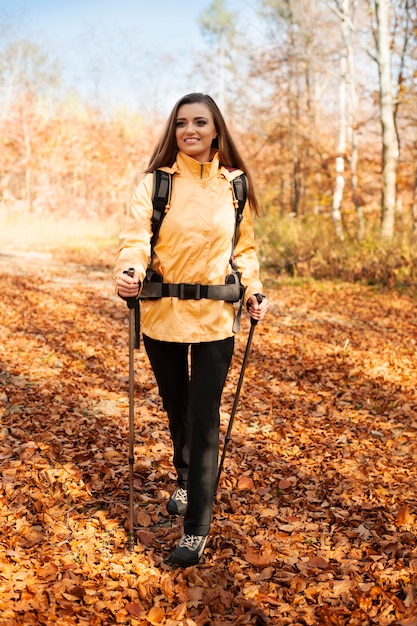
Manaslu Circuit Trek “There are several ways to get to Manaslu, but all of them are hard” is considered to be one of the most thrilling adventure hikes in Nepal. You’re also likely to end up in the remote wilderness, a village of speckled diminutiveness, or a high mountain trail. As much as getting your body into shape is important, drawing your mind to this trek is also key, as you will discover that it is a long & challenging trek. Here are a few tips to prepare you mentally for a Manaslu trek to ensure you have fun.
First off, accept the challenge. It will be an entry to physical endurance: altitude and long walking days. Mindset is a big part of everything, so if you can, treat yourself to a good one beforehand. Look forward to some hardship, be it tiredness, cold, or the unpredictability of the British weather, but also to sights that life on the ground will never show, and to that sense of having achieved something.
They also must have a network. Be it your guide, fellow trekkers, buddies, and circle of relatives, having a person to share your enjoy with will be there to assist you emotionally and keep you inspired.
Sooner or later, prepare for altitude illness. There are a few problems up high in this not-so-crowded direction. Comply with the recommendation of your manual, practicing regularly to relax, drink water, and be privy to your frame. Make your mind stronger and benefit from motivation to push forward whilst you deal with yourself with a lovely view of Manaslu!
Why acclimatize for the Manaslu Circuit?
Acclimatization – If you are trekking at altitude like the Manaslu Circuit is, you should be trekking like the Manaslu Circuit does: acclimatizing. The higher you go, the more rarefied the air, and the harder it is for your body to compensate. “You have not planned well and just zoomed from altitude to altitude — you are gonna get altitude sickness, and altitude sickness is not that fun in the world! Ease into it slowly and include rest days so your body can adjust; that way, you won’t shake your energy out before you traverse and enjoy your trek. And it cuts down on fatigue — all while increasing all-around joy.
What are the signs and symptoms of altitude sickness at the Manaslu Circuit?
It is able to begin as low as 2,500 meters, but the signs worsen the higher you climb.
The telltale alerts of the explosive dirt have been there, ones American grain elevators for many years knew how to prevent lengthy before grain ever crammed their silos: headache, nausea, dizziness, trouble breathing. If you have such signs or symptoms, you must descend and rest at an altitude lower than where you are. Generally, mild symptoms can be addressed with rest and water, but if you begin to get serious — vomiting, confusion, you need medical help, stat. “Check in with yourself and with your body at all times and notice how you’re feeling. If you are not getting better or if you are becoming worse, you should communicate with your guide or clinical crew.
A way to keep away from Altitude illness on the Manaslu Circuit?
Avoiding altitude sickness while you hike the Manaslu Circuit. Go slow, and allow your body to acclimate to the altitude. One decent rule of thumb suggests climbers should go higher during the day, or at night, using a headlamp to trudge higher under the darkness of night before the first light of day, while sleeping lower. Stay well-hydrated — you should be downing 3-4 liters of water a day — and eat well throughout the day to keep your energy up. If you get shitty, there’s no answer other than to wait it out and not fly any higher. deliver meds Lorem ipsum dolor sit amet, consectetur adipiscing elit, sed do eiusmod tempor incididunt ut labore et dolore magna aliqua. Nobody desires a pocketful of fish antibiotics; however, bring any altitude sickness meds, meaning Diamox — ask a physician!
How long should I spend at each altitude on the Manaslu Circuit?
Whilst trekking the Manaslu Circuit, you’ll need to allow for not least two nights at distinctive elevations, giving time for your body to acclimatize as you go.
This will provide you with a while to adjust before we go up. Strategic rest days occur in places like Samagaon and Dharamsala. And I think one good plan is to be higher in the day than at night, when your body is more efficient at getting rid of the oxygen. And the extra regularly you ascend, the less in all likelihood you are to get altitude illness.
What is the pleasant tempo of taking walks at the Manaslu Circuit no longer to avoid getting high-altitude illness?
The Manaslu Circuit is best done as slowly and steadily as we did! Don’t do too much, too soon, before your body is accustomed to the altitude. They counsel most trekkers to expect to walk between 5 and 8 hours per day, and while you should listen to your body and rest when necessary, they urge against taking the course on your own if you’re just coming to check out the view. And, to help you acclimate to altitude, you’ll be dropping a lot and having shorter days. You don’t have much more difficulty acclimatizing, spending a few acclimatization days in Samagaon and Dharamsala with no huge drama.
What are the best tips for acclimatization for the Manaslu Circuit?
In order to acclimate to the altitude correctly during the Manaslu Circuit, you climb gradually and ascend, applying the concept “climb high, sleep low,” with rest days in between. During the Soti Khola to Samagaon trek, you need to spend a couple of days acclimatizing yourself at the specific altitude. The days between can assist your body in forming additional red blood cells to better utilize oxygen. So, try trekking to a site like Manaslu Base Camp, and then descending to sleep at lower elevations to acclimatize, as recommended by Medendorp. These are the recommended trails for avoiding altitude sickness and an improved trekking experience.
Conclusion: The Manaslu Circuit Acclimatisation on the Manaslu Circuit
Proper acclimatization on the Manaslu Circuit is the key to enjoying (and living to tell) your Manaslu Trek. Climb very, very slowly going up, drink a ton of water, and budget time for acclimatization, so that your body has time to acclimate to the thinner air. Be alert for symptoms of altitude sickness, and do what it takes — moving slowly, resting, getting medical help — as necessary.
The very best factor on the Circuit is the Larkya la skip (five, a hundred and sixty metres); however, you may want ok time to acclimate in case you do no longer need altitude sickness. With careful planning, keeping your pace in moderation, and taking note of your frame, you’ll be in better shape to deal with the perils that may be related to trekking in high elevations.
With the right hydration, food, and some ascent, it is an easily mitigated symptom and, to be honest, the only downside (if you can call it that) of the incredible landscapes and culture the Manaslu Circuit has to offer. Happy hiking and here’s to your wonderful adventure! 🏞️
